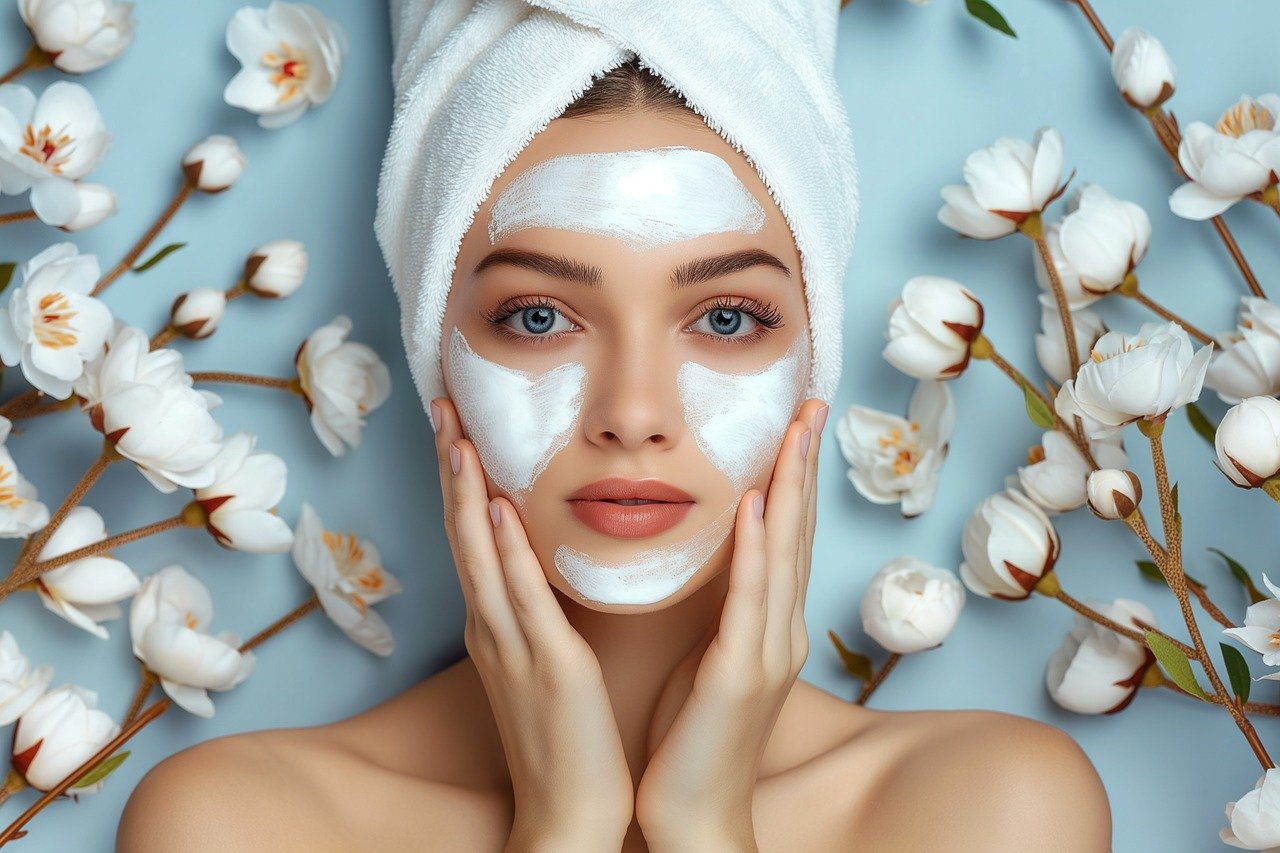
Having a well-structured skincare routine is essential for maintaining healthy and glowing skin. With so many products and steps available, it can be overwhelming to know where to start. We will walk you through the general steps of an effective skincare routine, ensuring you have all the information you need to achieve radiant skin.
1. Cleansing: The Foundation of Skincare
Cleansing is the first and most crucial step in any skincare routine. It helps remove dirt, oil, and impurities that can clog pores and lead to breakouts.
Morning Routine:
- Use a gentle cleanser to wash your face. Look for a product that suits your skin type (oily, dry, combination, or sensitive).
- Rinse with lukewarm water and pat your face dry with a clean towel.
Evening Routine:
- If you wear makeup, start with a makeup remover or cleansing oil to dissolve makeup and sunscreen.
- Follow with your regular facial cleanser to ensure all residue is removed.
2. Exfoliation: Removing Dead Skin Cells
Exfoliation helps remove dead skin cells, promoting a smoother and brighter complexion. It can be done mechanically (using a scrub) or chemically (using acids).
Frequency:
- Exfoliate 2-3 times a week, depending on your skin type and tolerance.
Types of Exfoliants:
- Physical Exfoliants: Products with small granules that physically scrub away dead skin. Suitable for non-sensitive skin.
- Chemical Exfoliants: Products containing AHAs (alpha hydroxy acids) or BHAs (beta hydroxy acids) that dissolve dead skin cells. Suitable for most skin types.
3. Toning: Balancing Your Skin
Toners help balance the skin’s pH level and prepare it for the next steps in your routine. They can also provide additional benefits like hydration and tightening pores.
Application:
- Apply toner to a cotton pad and gently swipe it over your face, or pat it directly onto your skin with your hands.
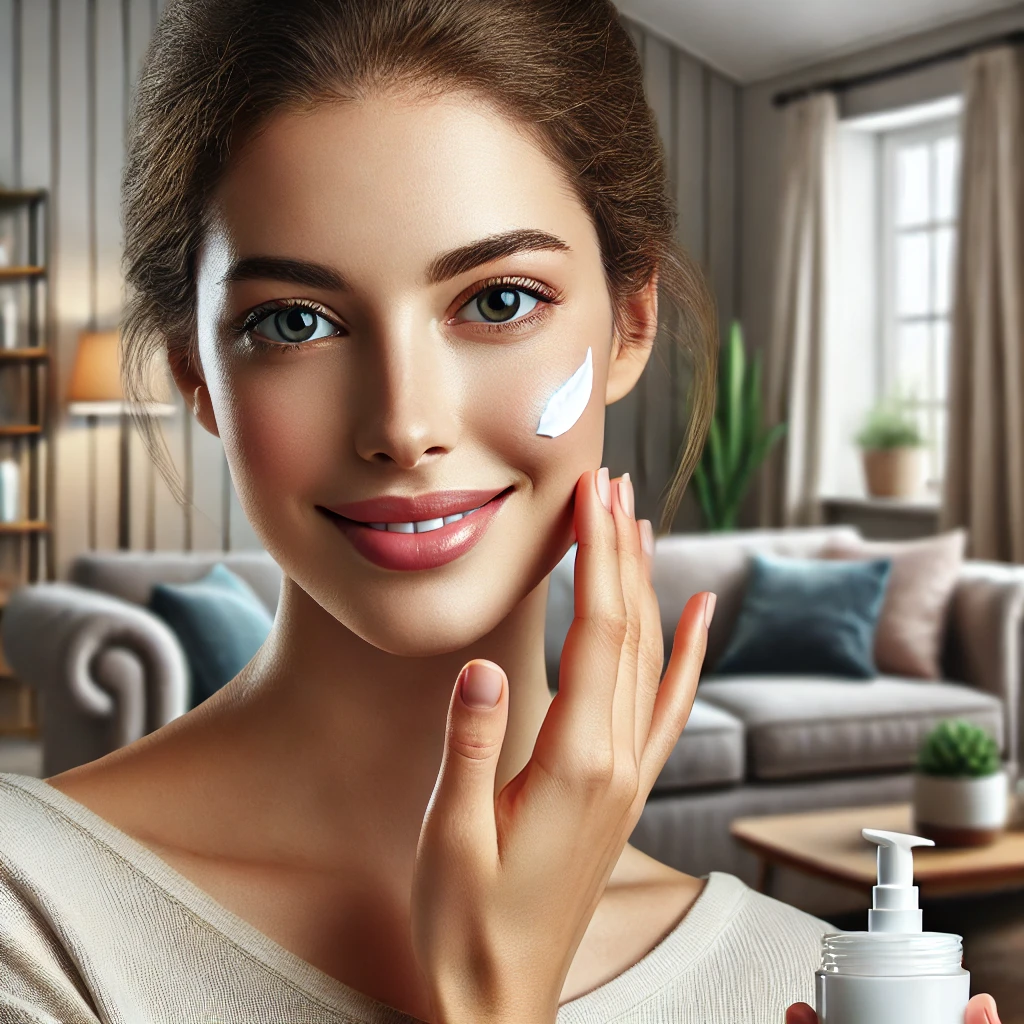
4. Treatment: Addressing Specific Skin Concerns
Treatments include serums and spot treatments that target specific skin concerns like acne, pigmentation, or wrinkles.
Common Treatments:
- Vitamin C Serum: Brightens the skin and reduces hyperpigmentation. Use in the morning.
- Retinol: Helps with anti-aging and acne. Use in the evening.
- Hyaluronic Acid: Hydrates and plumps the skin. Suitable for both morning and evening.
5. Moisturizing: Hydrating Your Skin
Moisturizers help hydrate the skin and lock in moisture. They also create a protective barrier on the skin’s surface.
Types of Moisturizers:
- Gel Moisturizers: Lightweight and suitable for oily skin.
- Cream Moisturizers: Rich and suitable for dry skin.
- Lotion Moisturizers: Suitable for combination skin.
Application:
- Apply moisturizer after your serum or treatment to seal in the benefits.

6. Sun Protection: Shielding Your Skin from UV Damage
Sunscreen is a non-negotiable step in your skincare routine. It protects your skin from harmful UV rays that can cause premature aging, pigmentation, and skin cancer.
Types of Sunscreens:
- Chemical Sunscreens: Absorb UV radiation and convert it into heat.
- Physical (Mineral) Sunscreens: Contain zinc oxide or titanium dioxide to physically block UV rays.
Application:
- Apply sunscreen every morning, even on cloudy days and during winter.
- Reapply every two hours if you are outdoors.
7. Additional Steps: Enhancing Your Routine
These additional steps can be incorporated into your routine for extra benefits.
Face Masks:
- Use once or twice a week to address specific concerns. Clay masks for oily skin, sheet masks for hydration, and overnight masks for extra nourishment.
Eye Cream:
- Apply an eye cream to address concerns like dark circles, puffiness, and fine lines. Pat gently around the eye area.
Facial Oils:
- Add a few drops of facial oil to your routine for extra hydration and a glowing complexion. Suitable for dry and combination skin.
Tailoring Your Routine to Your Skin Type
It’s essential to tailor your skincare routine to your specific skin type to achieve the best results.
Oily Skin:
- Use gel-based cleansers and moisturizers.
- Incorporate salicylic acid (BHA) to control oil and prevent breakouts.
- Choose oil-free and non-comedogenic products.
Dry Skin:
- Opt for cream-based cleansers and moisturizers.
- Incorporate hydrating ingredients like hyaluronic acid and glycerin.
- Avoid alcohol-based toners that can strip moisture.
Combination Skin:
- Use a balanced cleanser that addresses both oily and dry areas.
- Layer lightweight and rich products as needed.
- Focus on hydrating and balancing the skin.
Sensitive Skin:
- Choose fragrance-free and hypoallergenic products.
- Incorporate soothing ingredients like aloe vera and chamomile.
- Patch test new products before full application.
Consistency is Key
The key to achieving healthy, glowing skin is consistency. Stick to your routine and be patient, as it can take time to see noticeable results. Adjust your routine as needed based on your skin’s response and seasonal changes.
A comprehensive skincare routine tailored to your skin type can make a significant difference in the health and appearance of your skin. By following these steps—cleansing, exfoliating, toning, treating, moisturizing, protecting, and enhancing—you can achieve a radiant complexion. Remember to use products that suit your skin type and address your specific concerns. With consistency and the right products, you’ll be on your way to healthy, glowing skin.


