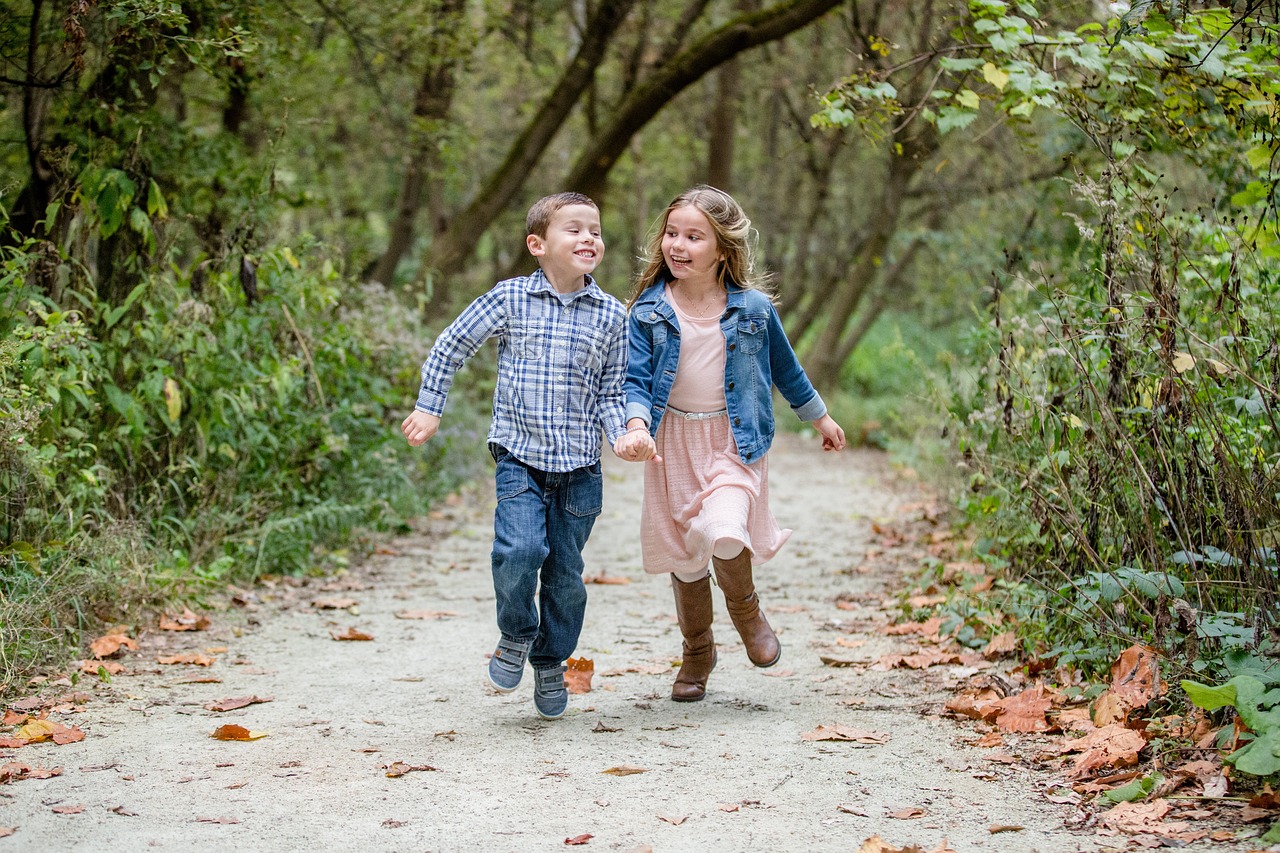
Sibling relationships significantly affect a child’s development and overall family dynamics. As parents, fostering positive relationships among siblings can lead to a more harmonious home environment and help children build essential social skills. This guide provides practical strategies to encourage positive sibling relationships.
1. Promote Individuality
Each child is unique, with their strengths, interests, and personalities. Celebrating these differences is crucial in fostering mutual respect and appreciation among siblings.
- Avoid Comparisons: Never compare your children to each other. Statements like “Why can’t you be more like your sister?” can create feelings of resentment and competition.
- Highlight Individual Strengths: Encourage each child to pursue their interests and hobbies. Acknowledge their accomplishments and talents without making it a competition.
- Provide One-on-One Time: Spend quality time with each child individually. This helps them feel valued and appreciated, reducing the need for attention-seeking behaviors.
2. Encourage Teamwork
Activities that require cooperation can help siblings learn to work together and develop a sense of camaraderie.
- Family Projects: Engage in activities that require teamwork, such as building a fort, cooking a meal together, or working on a garden. These projects can help siblings bond over shared goals.
- Group Games: Play games that require cooperation rather than competition. Board games, team sports, and collaborative puzzles can be great for building teamwork skills.
3. Teach Conflict Resolution
Conflicts are inevitable, but teaching children how to resolve disagreements respectfully is essential.
- Model Healthy Conflict Resolution: Children learn by observing. Demonstrate how to handle conflicts calmly and constructively.
- Set Ground Rules: Establish clear rules for resolving conflicts, such as no yelling, name-calling, or physical aggression.
- Teach Empathy: Encourage children to consider each other’s feelings. Role-playing different scenarios can help them understand each other’s perspectives.
4. Encourage Mutual Support
Teaching children to support and encourage each other can strengthen their bond and create a positive family dynamic.
- Praise Kindness: Acknowledge and praise acts of kindness and support among siblings. Positive reinforcement can encourage repeat behavior.
- Create a Supportive Environment: Foster an environment where children feel comfortable sharing their successes and failures. Encourage them to celebrate each other’s achievements and provide comfort during tough times.
- Family Meetings: Hold regular family meetings where everyone can share their thoughts and feelings. This can help siblings feel heard and supported by the entire family.
5. Foster Shared Interests
Finding common interests can provide siblings with opportunities to spend quality time together and develop a strong bond.
- Encourage Joint Activities: Identify activities that both children enjoy and encourage them to participate together. This could be anything from playing a sport to reading books or watching movies.
- Create Traditions: Establish family traditions that siblings can look forward to and enjoy together. These could include holiday rituals, weekend outings, or special bedtime routines.
6. Promote Respectful Communication
Effective communication is key to maintaining positive relationships.
- Teach Active Listening: Encourage children to listen to each other without interrupting. This helps them feel valued and understood.
- Use “I” Statements: Teach children to express their feelings using “I” statements (e.g., “I feel sad when you take my toy without asking”) rather than blaming or accusing.
- Provide Tools for Expression: Give children age-appropriate tools to express their emotions, such as drawing, writing, or talking about their feelings.
7. Set a Positive Example
Children often imitate their parents’ behavior. Setting a positive example can have a profound impact on sibling relationships.
- Model Respectful Behavior: Treat everyone in the family with respect and kindness. Your behavior sets the tone for how your children interact with each other.
- Show Appreciation: Regularly express gratitude and appreciation for each family member. This fosters a positive and supportive atmosphere.
- Demonstrate Problem-Solving Skills: When conflicts arise, demonstrate effective problem-solving skills. This shows children how to handle disagreements constructively.
8. Provide Equal Attention
Ensuring that each child feels equally loved and valued is crucial in preventing jealousy and competition.
- Balanced Attention: Strive to give each child equal attention. Be mindful of their individual needs and make sure no one feels left out.
- Fairness in Discipline: Apply rules and discipline consistently and fairly. This helps prevent feelings of favoritism and resentment.
- Celebrate Uniqueness: Acknowledge each child’s unique qualities and achievements without making comparisons.
9. Encourage Independence
While fostering a strong sibling bond is important, encouraging independence can help children develop their own identities and reduce sibling rivalry.
- Promote Self-Sufficiency: Encourage children to take responsibility for their own tasks and chores. This helps them feel competent and reduces the likelihood of conflicts over shared responsibilities.
- Support Personal Growth: Provide opportunities for each child to grow and develop their own skills and interests. This fosters a sense of individuality and self-worth.
10. Seek Professional Help if Needed
In some cases, sibling conflicts may require professional intervention. If conflicts are severe or persistent, seeking help from a family therapist or counselor can be beneficial.
- Recognize Warning Signs: Be aware of signs that conflicts are affecting your children’s well-being, such as persistent anxiety, depression, or academic problems.
- Professional Guidance: A therapist can provide strategies and tools to help improve sibling relationships and address underlying issues.
Encouraging positive sibling relationships is an ongoing process that requires patience, consistency, and a proactive approach. A strong sibling bond enriches family life.
Implementing these strategies can help build a foundation for positive sibling relationships that will benefit your children throughout their lives.


