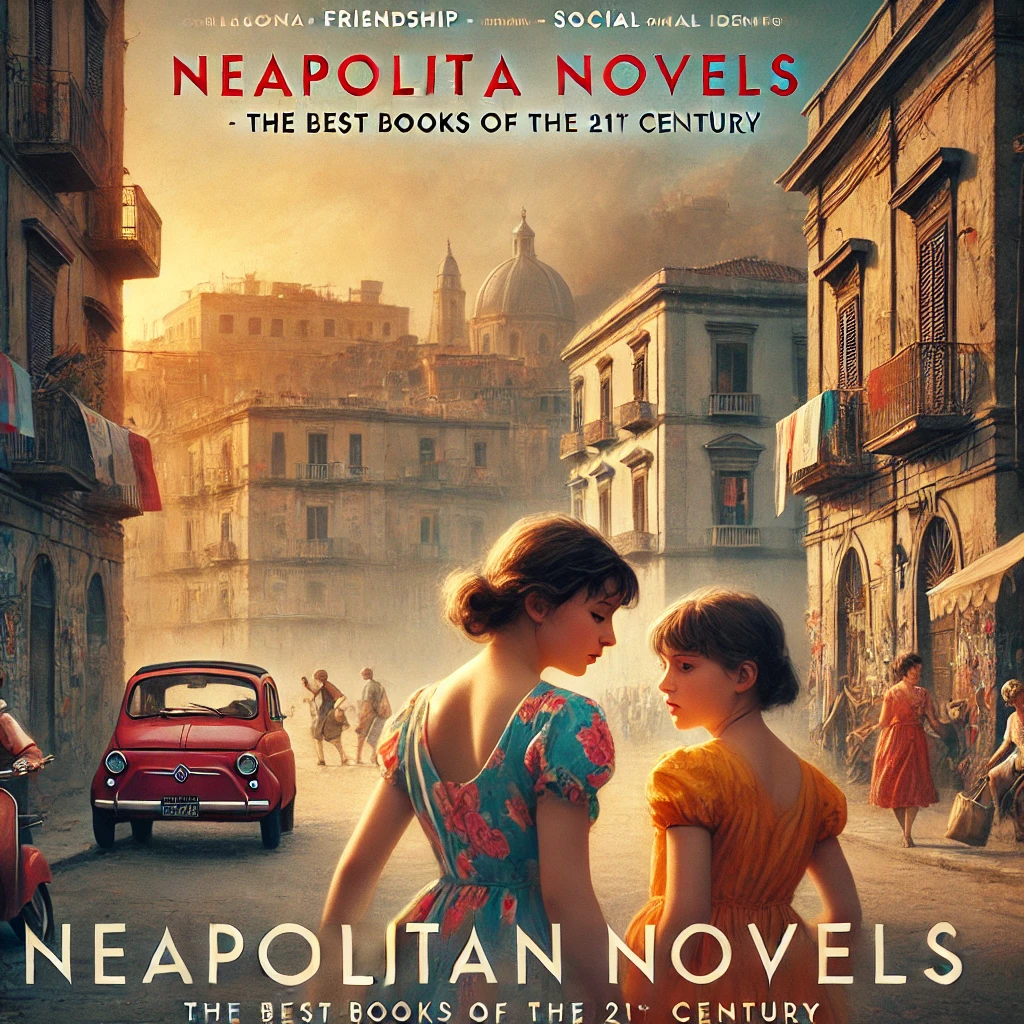
Elena Ferrante, an enigmatic and pseudonymous author, has captivated readers worldwide with her Neapolitan Novels. This series, consisting of four books, delves into the lives of two childhood friends, Elena and Lila, against the backdrop of a changing Italy. The novels have garnered widespread acclaim for their intricate portrayal of female friendship, societal changes, and the struggles of personal identity.
It also took the top spot on the New York Times’ recently announced list of the best books of the 21st century.
The Quartet: An Overview
The Neapolitan Novels, also known as the “Neapolitan Quartet,” include:
- “My Brilliant Friend” (L’amica geniale)
- “The Story of a New Name” (Storia del nuovo cognome)
- “Those Who Leave and Those Who Stay” (Storia di chi fugge e di chi resta)
- “The Story of the Lost Child” (Storia della bambina perduta)
Each novel follows the complex, evolving relationship between Elena Greco and Raffaella “Lila” Cerullo, from their childhood in a poor Naples neighborhood to their divergent paths in adulthood.
Key Themes in the Neapolitan Novels
1. Female Friendship and Rivalry At the heart of the Neapolitan Novels is the intense and multifaceted friendship between Elena and Lila. Their relationship is marked by deep affection, jealousy, competition, and a mutual desire for self-assertion. Ferrante’s portrayal of their bond offers an unflinching look at the complexities of female friendships, making it one of the most talked-about aspects of the series.
2. Social and Economic Change The novels are set against the backdrop of post-war Italy, capturing the rapid social and economic changes from the 1950s to the 21st century. Ferrante explores themes of class mobility, economic disparity, and the impact of education on personal and societal transformation. These elements provide a rich historical context that enhances the personal narratives of the characters.
3. Identity and Self-Discovery Throughout the series, both Elena and Lila grapple with their sense of identity and self-worth. Elena’s journey from a humble background to becoming a successful writer mirrors Ferrante’s own trajectory, while Lila’s rebellious nature and refusal to conform challenge traditional gender roles. Their struggles with identity reflect broader societal pressures and the quest for personal fulfillment.
Characters: Depth and Complexity
Elena Greco (Lenù) Elena, the protagonist and narrator, is ambitious, intelligent, and driven by a desire to escape her impoverished beginnings. Her academic success and career as a writer serve as both a source of pride and a point of contention with Lila. Elena’s introspective nature and her evolving perceptions of friendship, love, and success are central to the narrative.
Raffaella Cerullo (Lila) Lila, Elena’s brilliant but volatile friend, is a force of nature. Her sharp intellect and fierce independence set her apart, yet her life is fraught with turmoil and hardship. Lila’s complexity lies in her contradictions: she is both a source of inspiration and frustration for Elena. Her refusal to accept societal norms and her relentless pursuit of authenticity make her a compelling and enigmatic character.
Supporting Characters The novels also feature a rich cast of supporting characters who add depth to the story. From family members to lovers and friends, each character plays a significant role in shaping the lives of Elena and Lila. Their interactions reflect the broader social dynamics and cultural shifts occurring in Italy during this period.
The Impact of Ferrante’s Work
Literary Acclaim Elena Ferrante’s Neapolitan Novels have received widespread critical acclaim for their emotional depth, literary style, and realistic portrayal of female friendship. The series has been translated into multiple languages and has won numerous awards, solidifying Ferrante’s place in contemporary literature.
Cultural and Social Influence Beyond literary circles, the Neapolitan Novels have sparked discussions on feminism, class struggle, and the role of women in society. Ferrante’s unflinching depiction of the female experience resonates with readers from diverse backgrounds, fostering a global conversation about gender and identity.
Adaptations and Media The popularity of the novels led to the successful HBO adaptation, “My Brilliant Friend,” which brought Ferrante’s story to a wider audience. The series has been praised for its faithful representation of the books and its ability to capture the essence of the characters and setting.
Elena Ferrante’s Neapolitan Novels offer a profound exploration of friendship, identity, and societal change. Through the lives of Elena and Lila, Ferrante captures the complexities of human relationships and the enduring impact of social and economic forces. The series’ rich character development, historical context, and emotional depth have resonated with readers worldwide, cementing its place as a modern literary masterpiece.
Whether you are new to Ferrante’s work or a long-time fan, the Neapolitan Novels provide a compelling and thought-provoking journey through the landscapes of friendship and personal growth. As the story of Elena and Lila unfolds, readers are invited to reflect on their own lives and the intricate web of relationships that shape who we are.
For those looking to delve deeper into the world of Elena Ferrante, the Neapolitan Novels are an essential read, offering both literary excellence and a poignant commentary on the human condition.


